[SRV.INDEX] — COVERAGE AREAS
THE RANGE
Six documented pillars form the editorial backbone of Kalteno. Each area is covered with precision and updated against qualified research sources on a rolling basis.
Structured Resistance and Outdoor Movement
The movement pillar documents progressive resistance training programmes designed for working men with constrained weekly schedules. Content covers compound movement patterns, body composition awareness, endurance work structured for Jakarta's heat, and active recovery protocols that fit within a 30-minute morning window.
Weekend outdoor fitness — trail running in the Bogor highlands, cycling in Ancol, open-water swimming — is covered as a complement to weekday structured work, with guidance on managing output levels given ambient temperatures and humidity.
Flexibility drills and functional fitness are framed around mobility requirements for a professional who spends 8-10 hours seated, not around the performance demands of a competitive athlete.

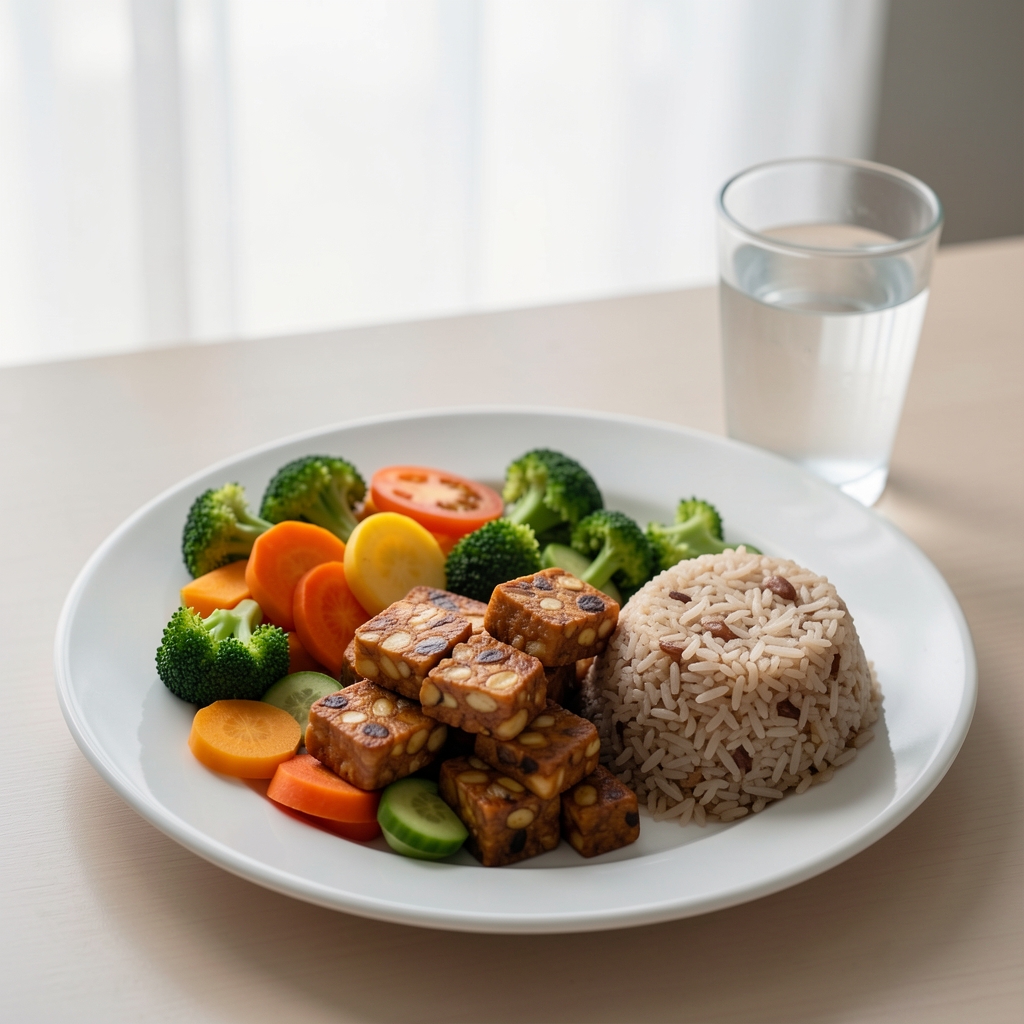
Whole-Food Sourcing and Balanced Plate Structures
The nutrition pillar is built around Indonesian whole-food staples: tempeh, tofu, eggs, locally sourced leafy greens, legumes, and whole grains. The editorial position is that lean eating is most sustainable when it aligns with existing food culture rather than replacing it.
Coverage includes portion awareness for communal dining settings — a format that dominates meal occasions in Jakarta — as well as meal structure guidance for men with irregular working hours. Hydration habits specific to a tropical climate are documented separately, with particular attention to electrolyte replenishment during high-output activity days.
Mindful eating frameworks are presented as practical tools rather than restrictive protocols — grounded in the behavioral research on satiety awareness and meal timing.
Stress Management and Cognitive Performance
Stress management for men in professional Jakarta environments is documented through the lens of workload rhythm, not crisis response. The Kalteno record tracks the daily inputs — sleep duration, movement volume, nutritional quality — that correlate with sustained cognitive output across a working week.
Energy and focus are approached as emergent properties of well-managed fundamentals: adequate sleep architecture, regular movement, whole-food intake at consistent intervals. Content does not rely on supplementation as a primary lever for cognitive performance.
Morning routine structures are documented in detail — the specific sequence of inputs that the editorial team has observed, across a documented sample, to produce measurable improvements in work-onset quality.

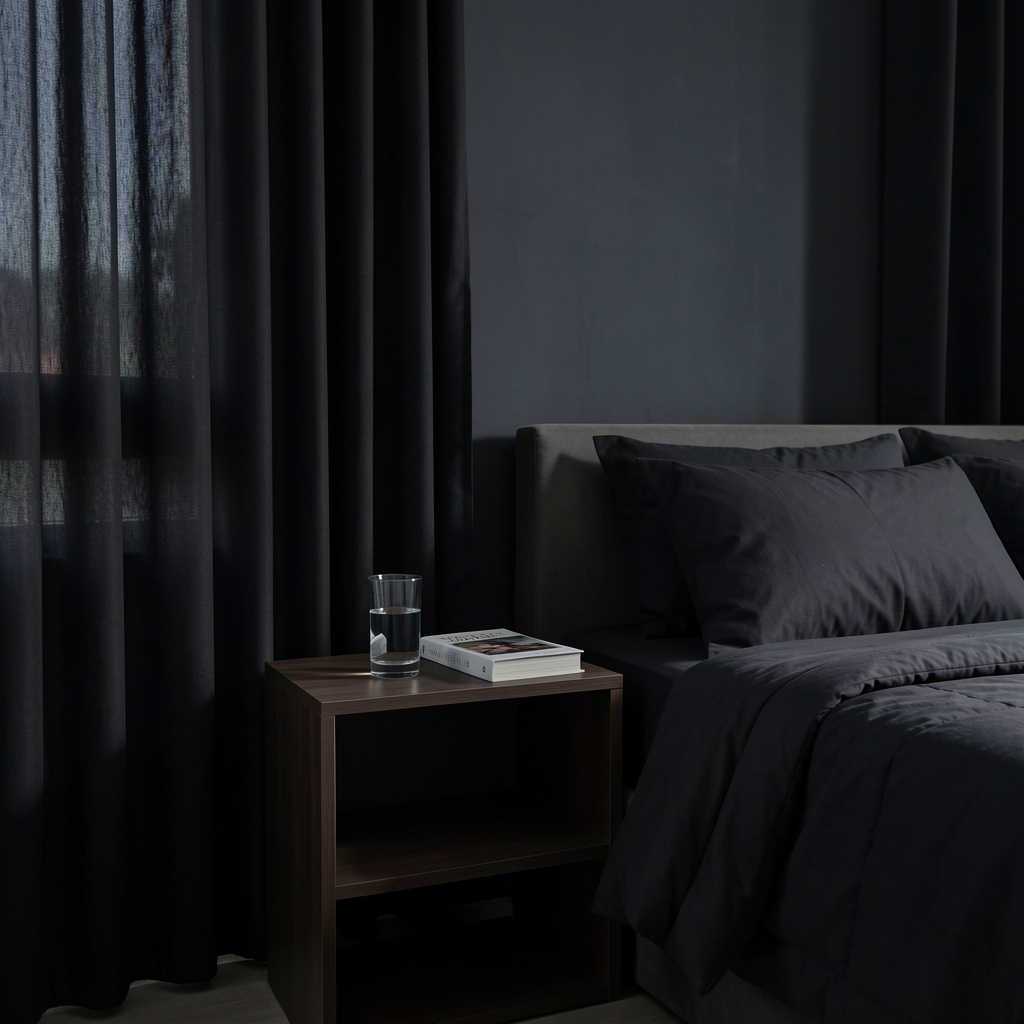
Sleep Quality and Active Recovery Practices
Sleep quality improvement is documented as a multi-variable challenge in an urban tropical environment. The editorial record covers acoustic environment management, thermal regulation in a non-air-conditioned or transitional sleeping space, pre-sleep nutritional timing, and the relationship between evening light exposure and sleep onset latency.
Active recovery — defined as structured low-intensity movement on non-training days — is presented as a sleep quality enabler, not a fitness variable. The connection between daily step count, movement variety, and next-day sleep efficiency is documented with reference to published sleep research.
Hydration and recovery intersect here: fluid intake timing across the day, particularly in the final two hours before sleep, is a recurring editorial focus.
Skincare Basics and Everyday Polish
Jakarta's humidity and UV intensity create a grooming environment significantly different from temperate zones. The Kalteno grooming record covers skincare basics calibrated for oily-to-combination skin types in high-humidity climates: cleansing rhythm, SPF discipline, and the minimal-step routines that working men can integrate into a 10-minute morning window.
Grooming essentials — haircare for Jakarta's hard water, beard maintenance in humid conditions, and body hygiene at the intersection of daily exercise and professional presentation — are documented practically and without the lifestyle-aspiration framing common in men's grooming media.
Seasonal style and wardrobe planning for a tropical professional context are covered: breathable fabrication, layering logic for heavily air-conditioned office environments, and the care cycles that extend garment longevity in a hot, humid laundry climate.


Measurable Markers of Sustainable Practices
The progress tracking pillar covers the frameworks and tools men use to document habit consistency and identify the inputs that produce the clearest physical markers over a 4-to-12-week window. Body composition awareness — measured through practical circumference methods and consistent photographic documentation — is presented as a practice, not an outcome.
The journal documents several tracking approaches: hand-written logbooks, structured spreadsheet templates, and wearable device interpretation for sleep and movement data. Each is evaluated against the practical reality of maintaining the habit across a full working week.
Sustainable health practices are the editorial standard — not peak performance cycles or short-duration protocols designed for a specific aesthetic outcome. The record favours the 6-month trajectory over the 6-week sprint.
Common Questions on Kalteno Coverage
[NEXT — GET IN TOUCH]
Questions About the Coverage Areas?
Reach the editorial team directly for coverage inquiries, reader questions, or information about the Kalteno editorial standards.
Contact the Editorial Team